
A strong startup brand identity helps people understand who you are, what you offer and why you are different. Yet many founders jump straight into logo design before they know their position. As a result, the visuals look nice but say very little.
This guide walks you through seven steps to build your identity the right way: strategy first, design second.
Step 1: Define your startup brand identity strategy
Before you design anything, answer a few simple questions. Who are you? Who is your audience? What problem do you solve? And how are you different from everyone else? Together, your answers become the compass for every later decision.
Step 2: Research your market
Next, look closely at your competitors. Note how they look, what they say and who they target. Then look for gaps: positions, colors or messages that nobody owns yet. In other words, those gaps are your chance to stand out.
Step 3: Write a positioning statement
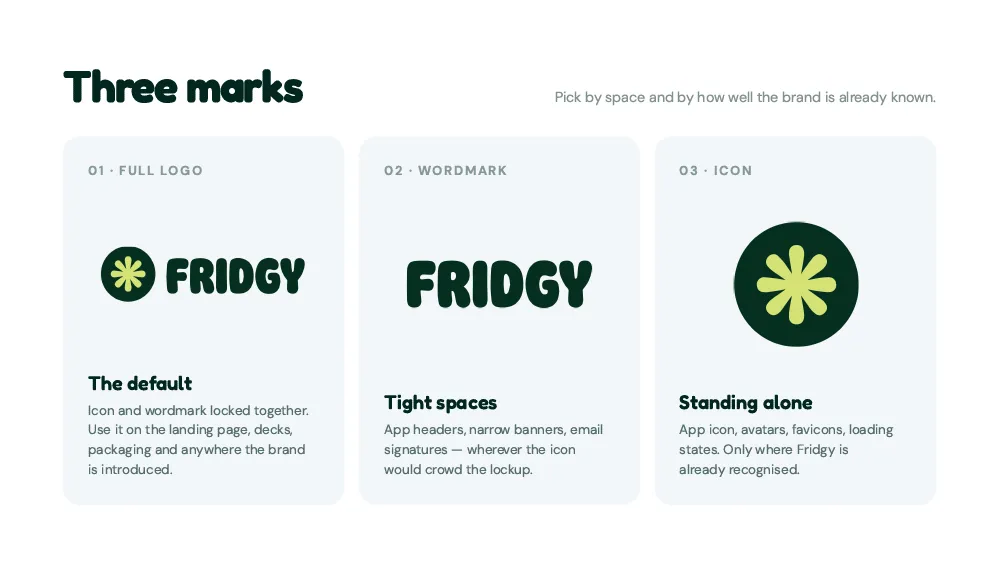
Now turn your strategy into one clear sentence. For example: “For busy home cooks, Fridgy turns what is already in the fridge into dinner.” As a result, this statement keeps your team and your designer focused.
Step 4: Shape your brand voice
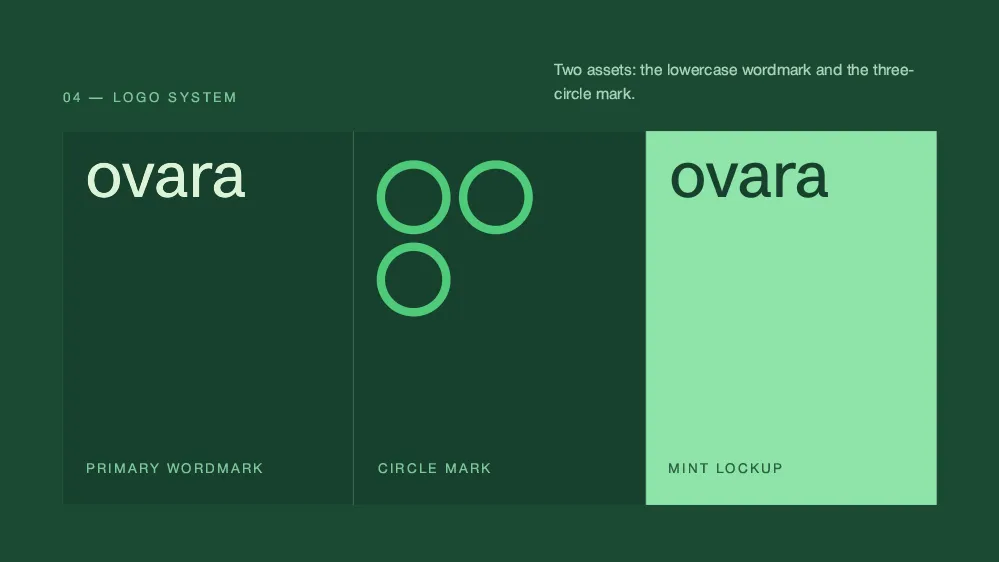
Your startup brand identity isn’t only visual. It also includes how you speak. So decide on your tone of voice, your key messages and the words you will always (and never) use. Ovara’s voice, for instance, is “plain, dosed, unhurried”.
Step 5: Design the visual side of your startup brand identity
With the strategy in place, the design work can begin. The core pieces are:
- a logo, ideally with a few versions for different spaces
- a primary and secondary color palette
- one or two typefaces
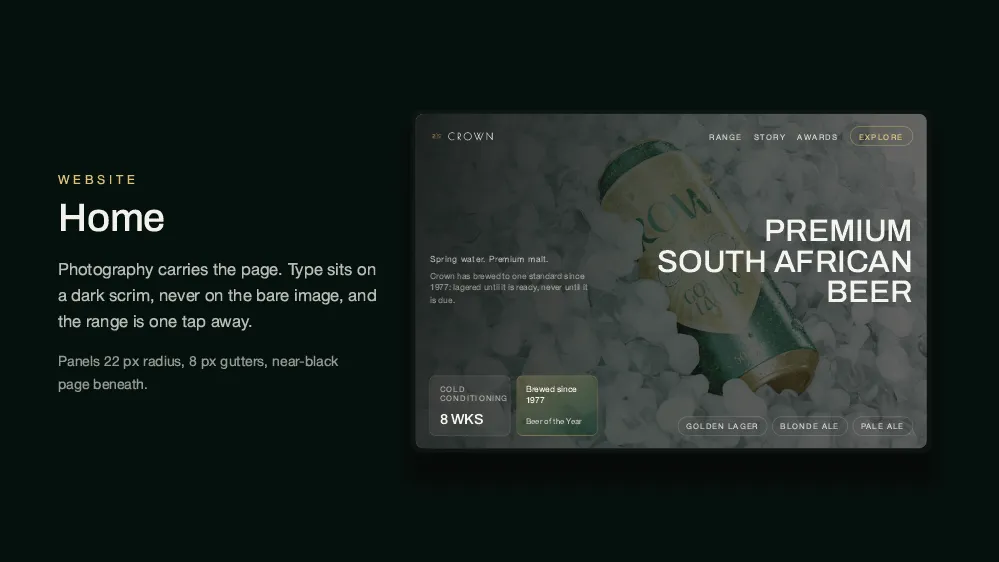
- a photography or illustration style
- icons and graphic elements, if you need them
Keep the system small at first. After all, a few elements used well are easier to manage than many used badly.
Step 6: Create brand guidelines
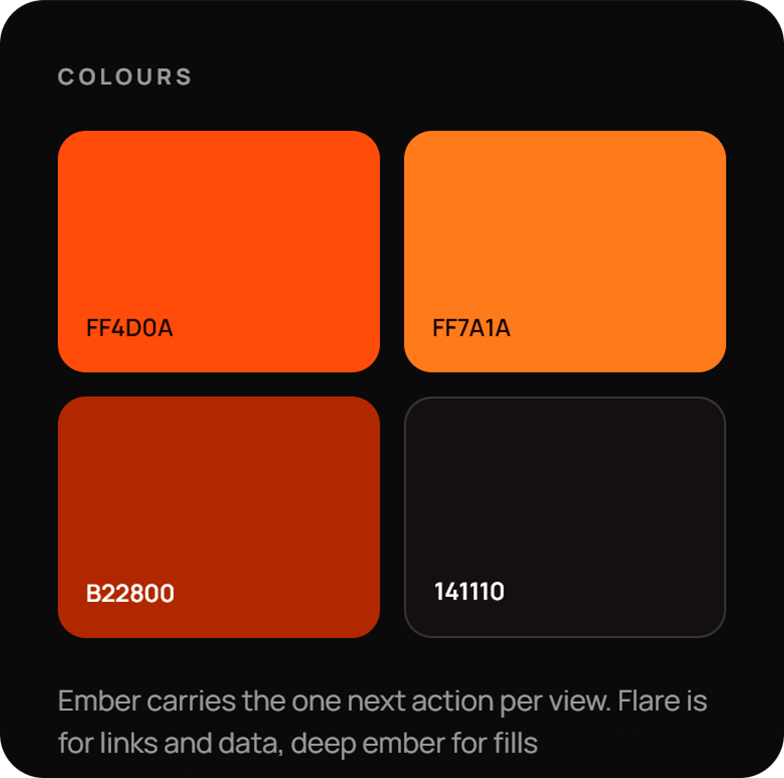
Once the visuals are ready, write them down. Brand guidelines explain how to use your logo, colors, type, imagery and voice. They prevent your brand from drifting as you hire people and work with partners. For example, Loop’s guidelines set out one accent color for the single most important action on each screen.
Step 7: Apply it everywhere
Finally, roll your identity out across every touchpoint: website, social media, email, pitch deck, business cards and packaging. Consistency is what turns a design into a recognizable brand. If you want inspiration, HubSpot’s branding guide shows how established brands do it.
Conclusion: a startup brand identity starts with strategy
In short, building a startup brand identity is a strategy project first and a design project second. Start with positioning and research, then design a small, clear system and use it everywhere. For more help, read why startups need professional branding, our guide to color psychology in branding and our tips on startup logo design. Or talk to Spaark about your brand.
Related reading
Next, keep reading with these related Spaark guides:
- Design systems for startups: keep your product consistent as you grow.
- Global startup branding: one brand, adapted for many markets.
- How to write a design brief: seven steps and a free template.
Frequently asked questions
How long does it take to build a brand identity?
A full identity usually takes six to twelve weeks, from strategy to final guidelines.
What should a brand identity include?
At minimum: a logo, a color palette, typography, a tone of voice and simple guidelines that explain how to use them.
Do I need a designer to build my startup brand identity?
You can do the strategy yourself. However, a professional designer helps turn that strategy into a clear, consistent and lasting visual system.

2 Comments