Taking a startup into new countries takes more than translating your website. Global startup branding means keeping one strong core brand while adapting how you express it in each market. Get the balance right, and you are both recognizable and relevant everywhere.
This guide shows you how to build a brand that travels well.

Start global startup branding with your core values
Before you expand, define what never changes: your values, personality and promise. These should work in any culture. As a result, local teams have a clear anchor when they adapt the brand. A weak core, by contrast, quickly falls apart across markets.
Research each market before global startup branding
Never assume your home market applies everywhere. Instead, research each new market’s language, culture, communication style, competitors and buying habits. Tools like the Hofstede country comparison can help you understand cultural differences.
Localize, don’t just translate
Direct translation often sounds odd, or even offensive. So work with native speakers who can adapt your message, not just translate it. Also match the local style. For example, some cultures prefer direct language, while others prefer a softer tone. The W3C internationalization guides are useful for the technical side.
Adapt visuals in global startup branding
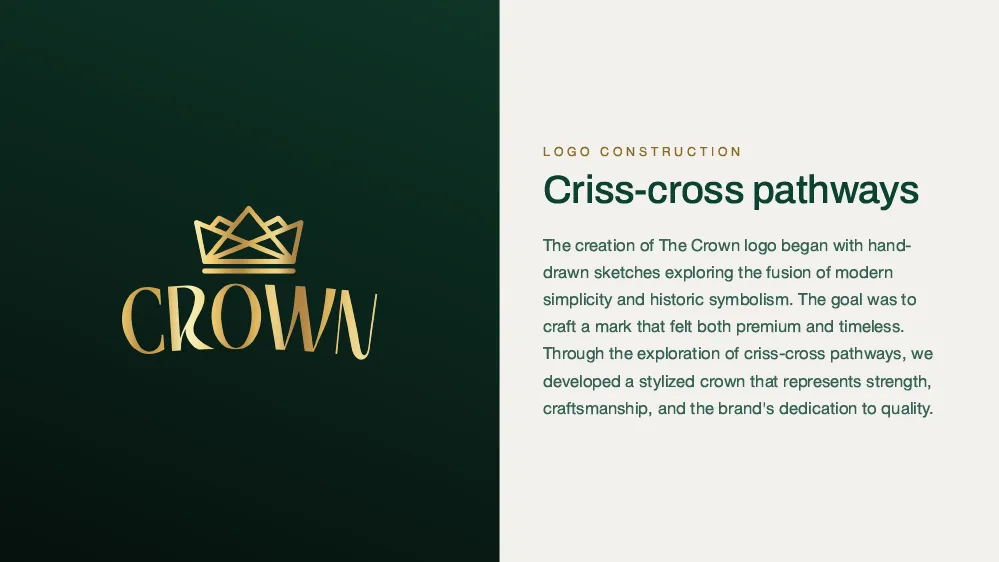
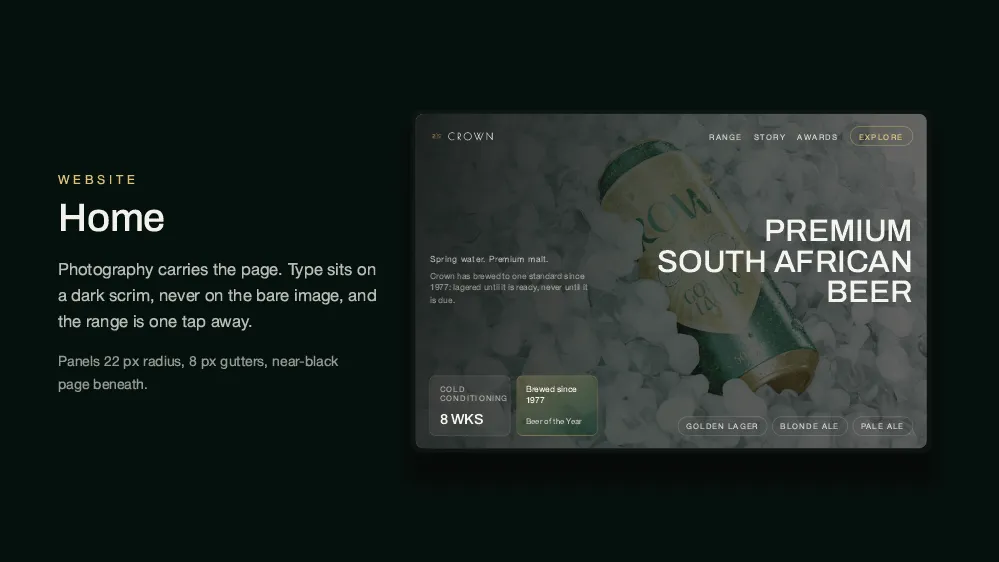
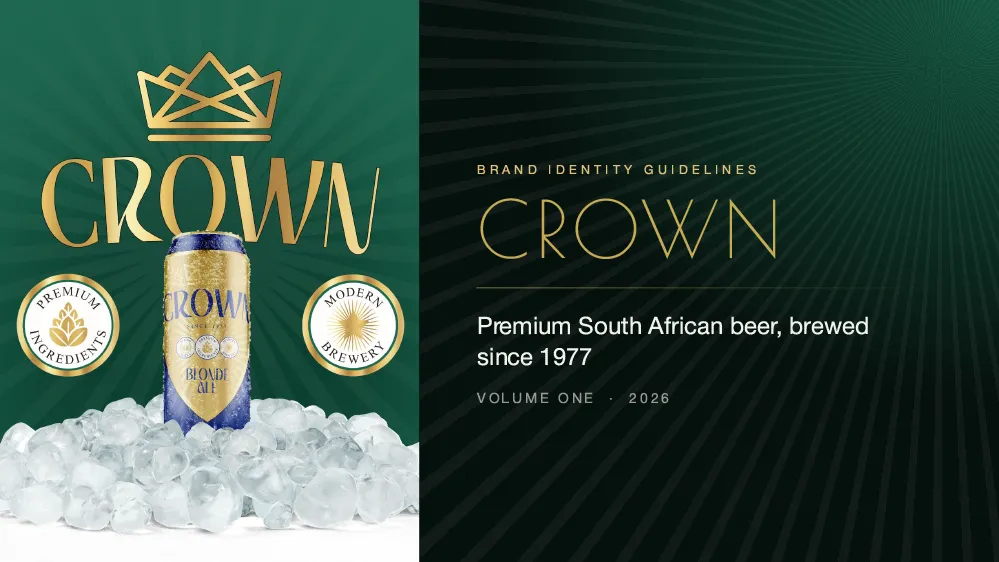
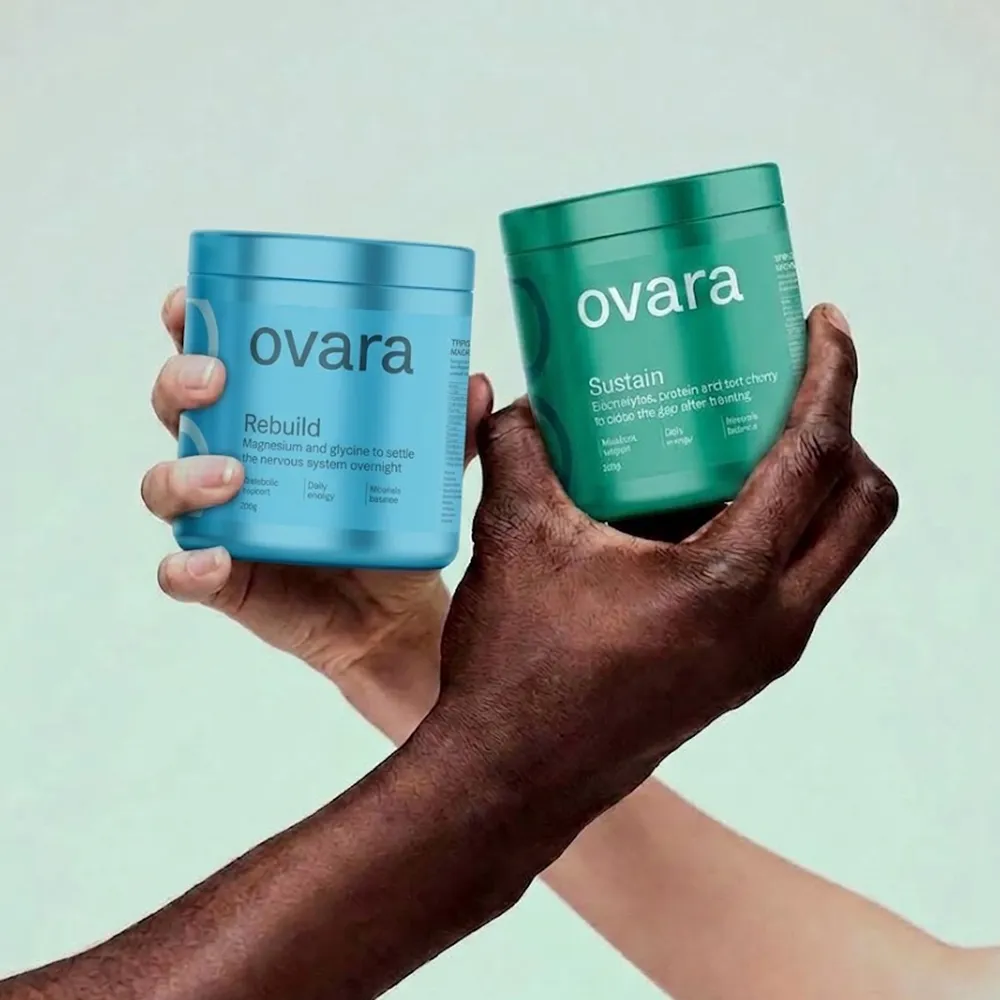
Keep your logo and core colors the same everywhere, because they build recognition. However, adapt supporting visuals to each market. For instance, show local people, places and situations in your imagery. This small change signals respect and relevance.

Check what colors mean
Colors carry different meanings around the world. For example, red signals luck in China but can mean danger elsewhere. Likewise, white stands for purity in some places and mourning in others. So test your palette with local audiences before launch. Our guide to color psychology in branding covers this in more detail.
Frame your value for local needs
Your core value stays the same, but the way you describe it can change. A productivity tool might stress work-life balance in one market and career growth in another. Same product, different emphasis.
Adjust pricing and payments
Global consistency doesn’t mean identical prices. Instead, adjust for local buying power and competition. Also offer the payment methods people actually use, whether that is cards, mobile money or bank transfers.
Use local social proof
Reviews from people like them build trust fastest. Therefore, feature local customers, local case studies and testimonials in the local language wherever you can.
Meet people on their channels
Different markets use different platforms. For example, WhatsApp, WeChat and LINE each dominate in different regions. So adapt your marketing to where your audience actually spends time.
Test before a full launch
Launch in one market first. Then test your messaging, pricing and visuals, and adjust before moving to the next. This step-by-step approach is slower, but it is much cheaper than fixing a global mistake.
Keep global startup branding consistent
Local adaptation shouldn’t mean losing your identity. So set clear brand guidelines that explain what is fixed, what is flexible and what is never allowed. That way, local teams can adapt with confidence.
Conclusion: global startup branding is one brand, many expressions
In short, global startup branding keeps the core the same and adapts the expression. Research each market, localize thoughtfully and test before you scale. For more, read about building a startup brand identity and when to rebrand a startup. Spaark is based in South Africa and designs for the global market, so talk to us about your next market.
Related reading
Next, keep reading with these related Spaark guides:
- Why professional branding for startups matters: how a strong brand builds trust and helps you raise funding.
- Startup logo design guide: what a great logo needs to do.
- Visual marketing strategy: design that sells across every channel.
Frequently asked questions
Should we change our brand name for new markets?
Only if the name is hard to say or has a bad meaning locally. Otherwise, keep it and adapt your messaging instead.
How many markets should we enter at once?
Start with one or two similar markets. Then expand once you have a repeatable playbook.
Should our logo change per market?
No. Keep the core logo the same everywhere, and adapt supporting visuals instead.
What is the biggest mistake in global startup branding?
Assuming your home market is universal. Every market is different, so research comes first.