People notice images long before they read words. That is why a clear visual marketing strategy matters so much for startups. Strong, consistent visuals help people remember you and make your message easier to understand.
This guide shows you how to plan visuals that build recognition and drive sales.

Where a visual marketing strategy applies
Visuals show up almost everywhere your brand does. For example:
- social media posts, stories and reels
- email headers and graphics
- your website hero images and icons
- ads, both online and print
- blog graphics and infographics
- packaging and printed materials
Above all, keep the look consistent across every channel. That consistency is what builds recognition.
Photography or illustration?
Of course, both have strengths. Photography feels real, so people connect with it easily. Illustration, on the other hand, is flexible and very distinctive. For this reason, many brands combine the two. Whatever you choose, avoid generic stock photos, because people spot them instantly.
Use color with purpose
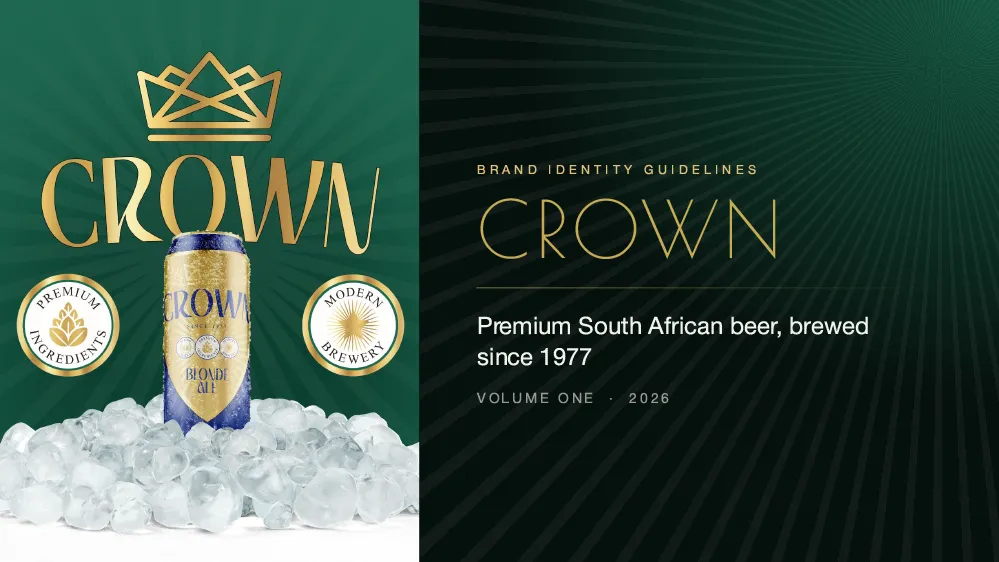
Color is one of the fastest ways people recognize a brand. So choose a small, distinctive palette and use it every time. Ideally, pick colors your competitors don’t use. Our guide to color psychology in branding explains how.
Make typography work for you
Headlines should be big, bold and easy to scan. Body text, meanwhile, needs to be readable on a small screen. Also check contrast, so everyone can read your text. The WCAG contrast guidelines explain the minimum levels.

Add video to your visual marketing strategy
Today, short videos grab attention in busy feeds. Product demos, behind-the-scenes clips and customer stories all work well. Start small, though: a phone and good lighting can go a long way.
Turn data into graphics
Infographics make complex information easy to share and remember. Keep them clean, with consistent colors, clear type and simple icons. Otherwise, a busy infographic can look amateur.
Keep your visual marketing strategy consistent
Every post should feel like it comes from your brand. To make that easier, use the same palette, fonts, image style and layouts each time. People scroll fast, so instant recognition is what makes them stop.
Write down your visual rules
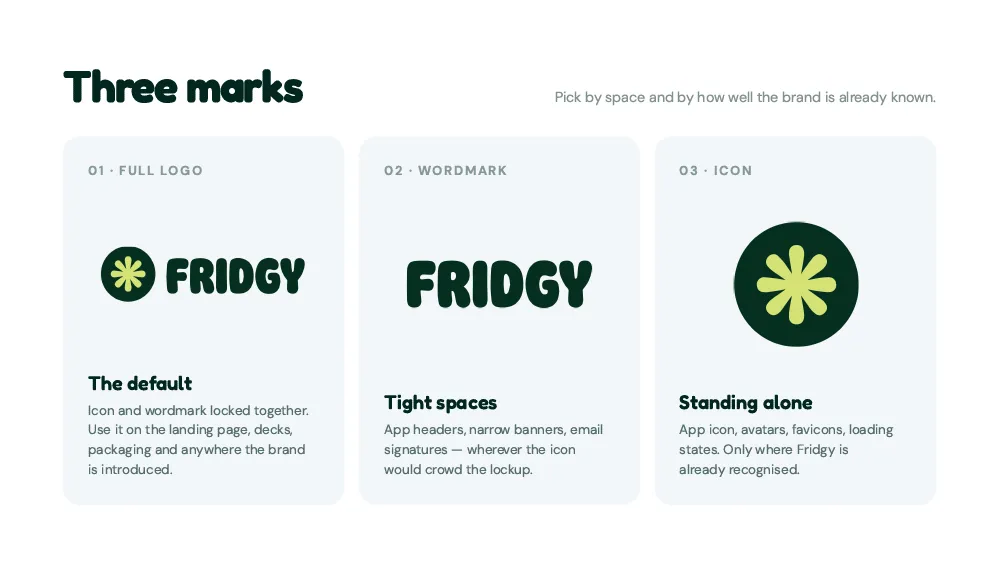
Document your visual standards in simple brand guidelines. Include logo use, color codes, type rules, photo style and layout examples. As a result, new team members and partners can create on-brand work without guessing.

Test and measure your visual marketing strategy
Of course, not every image will work. So track engagement, clicks, video watch time and shares. Then compare results and do more of what works. Testing one change at a time makes the answers clearer.
Budget for your visual marketing strategy
Spend most on the visuals people see most, such as your website and main ads. After that, use templates for everyday social posts. As your budget grows, add original photography, video and illustration.
Avoid common mistakes
Watch out for these:
- designs that are too busy
- too many fonts
- forgetting how visuals look on a phone
- outdated photos
- poor color contrast
Conclusion: a visual marketing strategy builds recognition
In short, a strong visual marketing strategy helps people notice you, remember you and trust you. Keep it consistent, test what works and invest in the visuals that matter most. For more, read about packaging design for startups and why startups need professional branding, or ask Spaark for help.
Related reading
Next, keep reading with these related Spaark guides:
- Global startup branding: one brand, adapted for many markets.
- Web design that converts: ten principles for turning visitors into customers.
- Web design trends 2026: ten shifts every startup site should know.
Frequently asked questions
Should we hire an agency for visual marketing?
If budget allows, yes, at least for key assets. You can then create everyday content in-house using templates.
How often should we refresh our visuals?
Keep your core identity stable for years. However, refresh secondary elements, like photo style, every year or so.
How do we know if our visuals drive sales?
Use tracking links, promo codes and simple customer surveys. Then compare results by channel and campaign.
What makes a visual go viral?
There is no formula. Still, visuals that trigger emotion, feel relatable and look striking tend to spread further.