Packaging is often the first thing a customer touches. For product-based businesses, good packaging design for startups works as marketing, protection and brand-building all at once. It can justify a premium price. On the other hand, poor packaging can make even a great product feel cheap.
This guide covers what your packaging needs to do and how to plan it.
What packaging design for startups needs to do
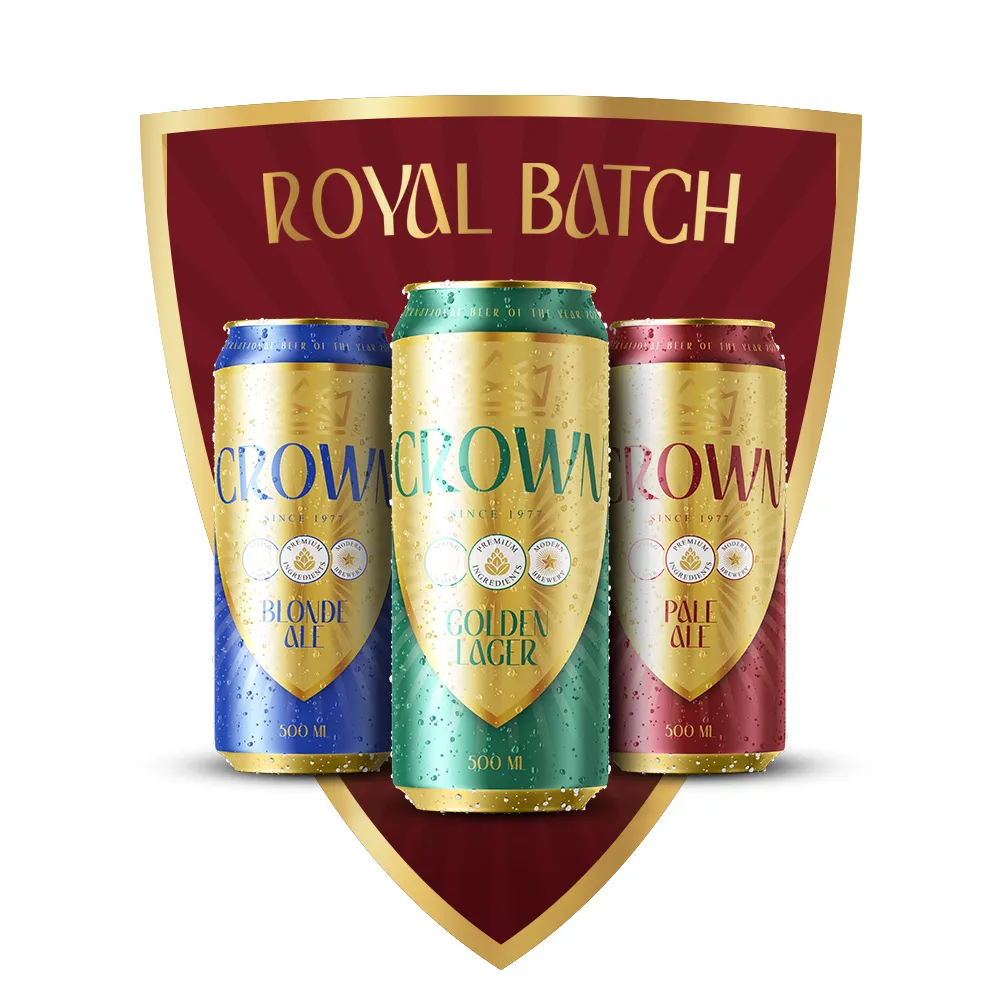
Packaging has several jobs at once. It has to:
- protect the product
- share key information and legal details
- stand out on the shelf or screen
- express your brand through color, type and imagery
- create a good unboxing moment
Doing all of this well takes balance. For example, a bold design still needs room for the information customers expect.
Create a memorable unboxing
Small details make a big difference. Think about how the box opens, what customers see first and whether there is a thank-you note inside. People often share good unboxing moments online. As a result, thoughtful packaging can earn you free marketing.
Make sustainability part of the plan
Many shoppers now prefer packaging they can recycle or compost. So use fewer materials, cut down on plastic and work with responsible suppliers. Then tell customers about those choices on the pack. The Ellen MacArthur Foundation has helpful guidance on reducing plastic waste.
Typography and color in packaging design for startups
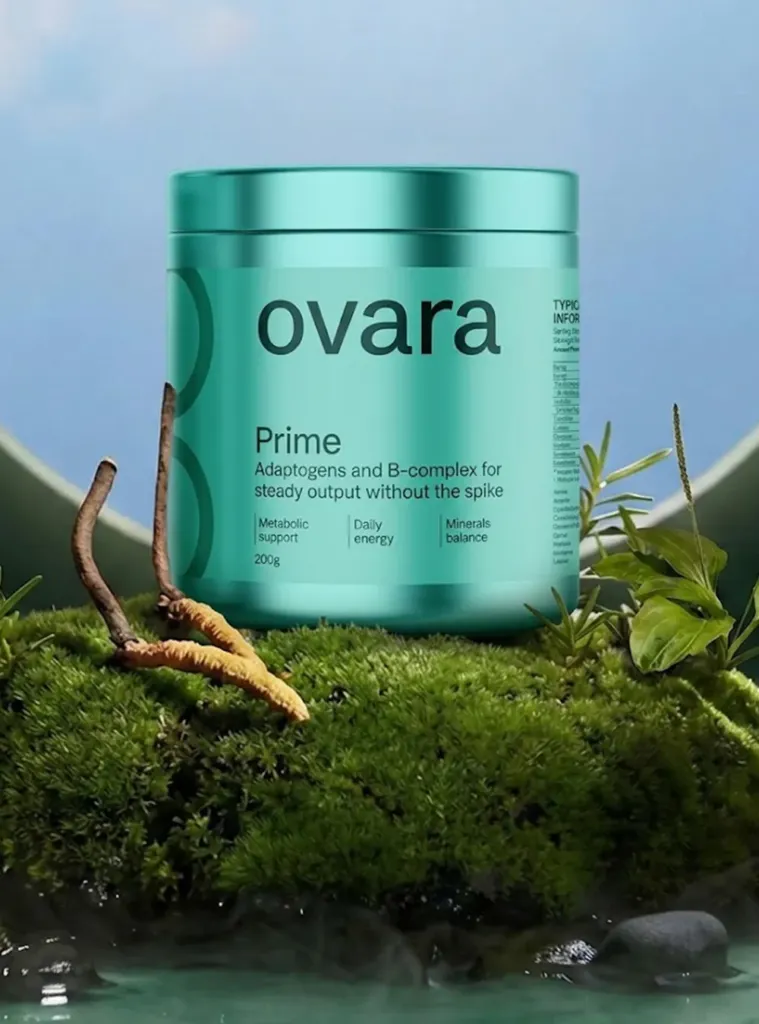
Type and color set the mood. For instance, serif fonts often feel premium, while clean sans-serif fonts feel modern. Color works the same way, as our guide to color psychology in branding explains. Above all, keep your packaging consistent with the rest of your brand.
Get the legal details right
Packaging usually needs a product name, ingredients or materials, usage instructions, contact details, warnings and size or weight. However, the rules differ by country and product type. So check the requirements for every market you sell in before you print.
Choose the right materials
Common options include corrugated cardboard, rigid boxes, kraft paper, tins and plastic. Each one affects cost, sustainability and how premium the product feels. In general, choose materials that match your brand position and your customers’ expectations.
Test packaging design for startups before you print
Testing saves expensive mistakes. Check whether the pack survives shipping, how it looks on a shelf and whether people recognize your brand. Also compare it side by side with competitors. Finally, show it to real customers and listen to their reactions.
Plan costs and lead times
Custom packaging takes time. Design, prototypes, tooling, production and shipping can easily add up to two or three months. Most suppliers also have minimum order quantities. Therefore, start early and order in stages as you grow, so you don’t tie up too much cash.
Measure the impact
Once your packaging is out in the world, track how it performs. Look at reviews that mention packaging, social media posts, repeat purchases and average order value. These numbers show whether your investment is paying off.
Conclusion: packaging design for startups drives perception
In short, packaging design for startups is part of the product, not an afterthought. Good packaging builds trust, supports a premium price and gets people talking. To build the brand behind it, read about building a startup brand identity and visual marketing strategy. Or talk to Spaark about your packaging.
Related reading
Next, keep reading with these related Spaark guides:
- Startup logo design guide: what a great logo needs to do.
- Why professional branding for startups matters: how a strong brand builds trust and helps you raise funding.
- Global startup branding: one brand, adapted for many markets.
Frequently asked questions
Can startups begin with basic packaging design?
Yes. Just plan your design so it can grow with you, because a full redesign later costs more.
How many design rounds are normal?
Usually three to five before production. So get feedback early, because changes during production are expensive.
Should we use a designer or the manufacturer’s in-house team?
A brand-focused designer gives you a stronger concept. After that, work with the manufacturer to make it practical to produce.
Can we use different packaging for retail and online?
Yes. Many brands use a premium box for online orders and a simpler pack for shelves, while keeping the same look.