Web design trends 2026 are changing what visitors expect from a startup website. They want sites that load fast, feel personal and work for everyone. If your site misses these basics, it can look dated before you even launch.
This guide covers ten shifts that matter most for startups. It also explains which ones to tackle first, so you can spend your budget wisely.
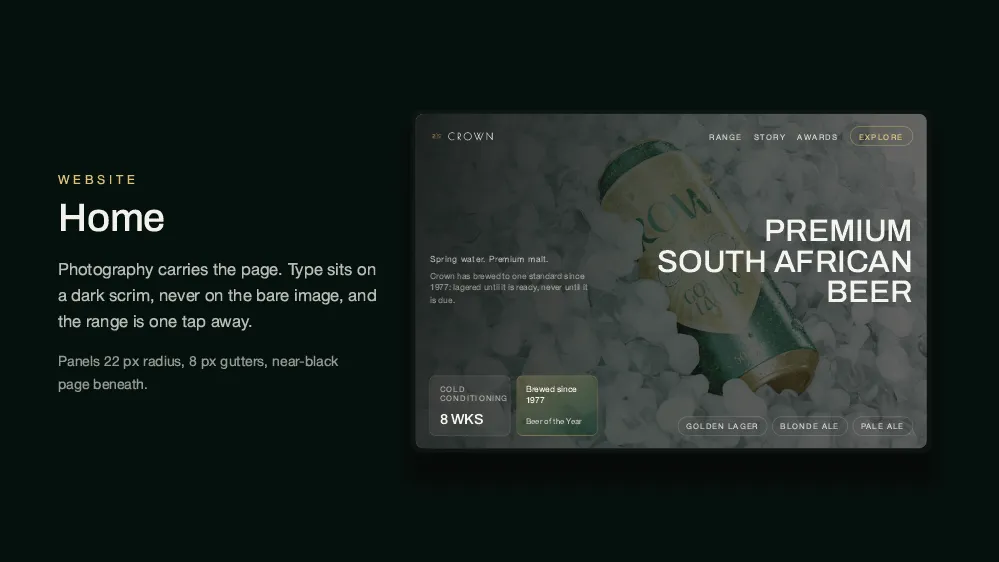
Web design trends 2026: smarter, more personal sites
1. AI personalization. Today, sites adapt content to each visitor. For example, a returning customer might see different offers than a first-time visitor. As a result, generic pages start to feel out of date.
2. Video at the core. Short videos now appear throughout pages, not just at the top. In particular, product demos and customer stories help people understand your offer quickly. Just keep them short and make sure they don’t slow the page down.
Web design trends 2026: cleaner visual design
3. Purposeful minimalism. Minimal design is still strong, but now every element has to earn its place. For example, white space is used on purpose, and each section has one clear job. This makes it easier for visitors to decide what to do next.
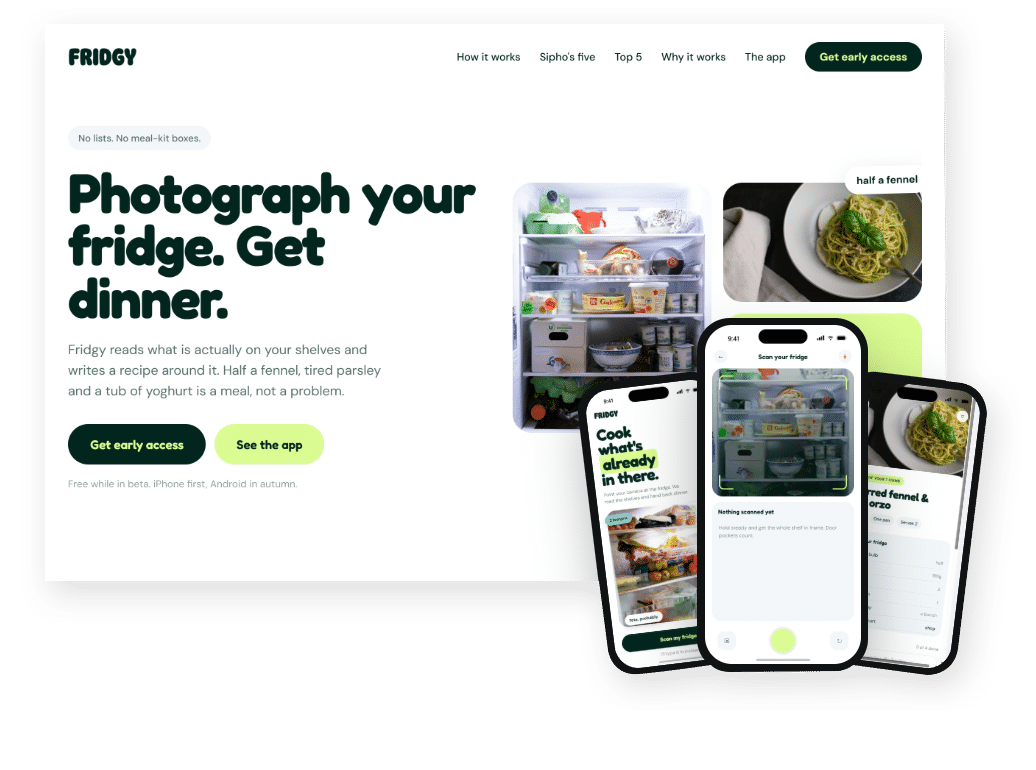
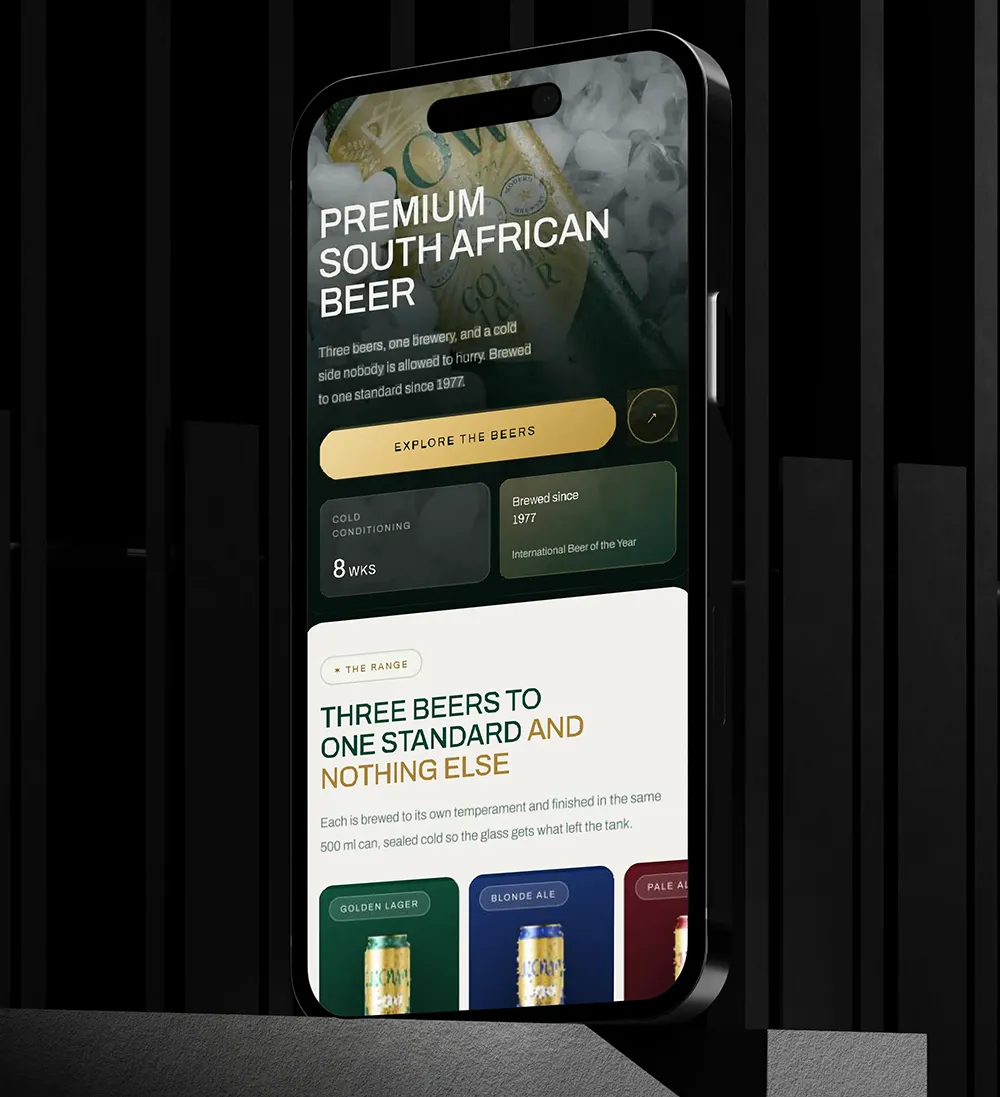
4. Bold typography. Startups are moving away from generic fonts. Instead, they use distinctive typefaces with clear size and weight changes. Good type can do the job that images used to do, and it loads faster.
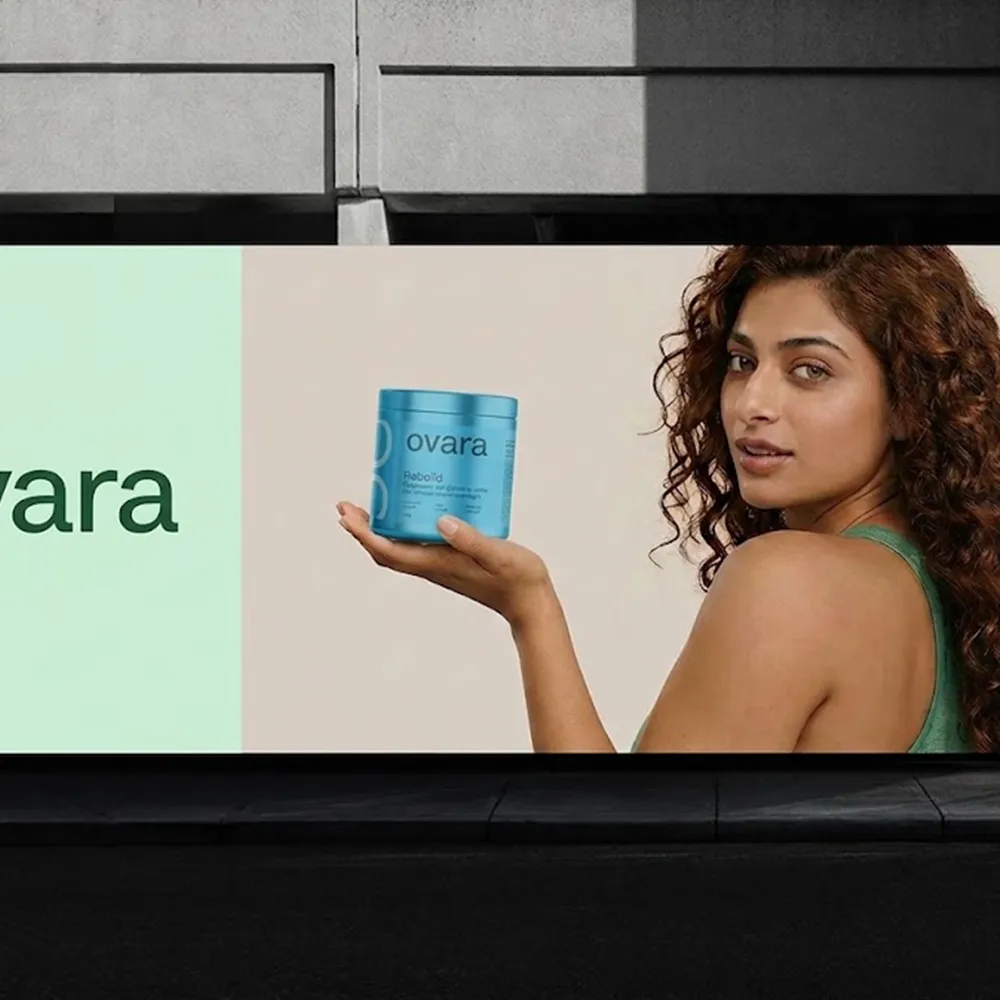
5. Real imagery over stock photos. After all, visitors can spot stock photos instantly. That is why brands now favor real product shots, team photos and custom illustrations. In short, authentic images build trust.
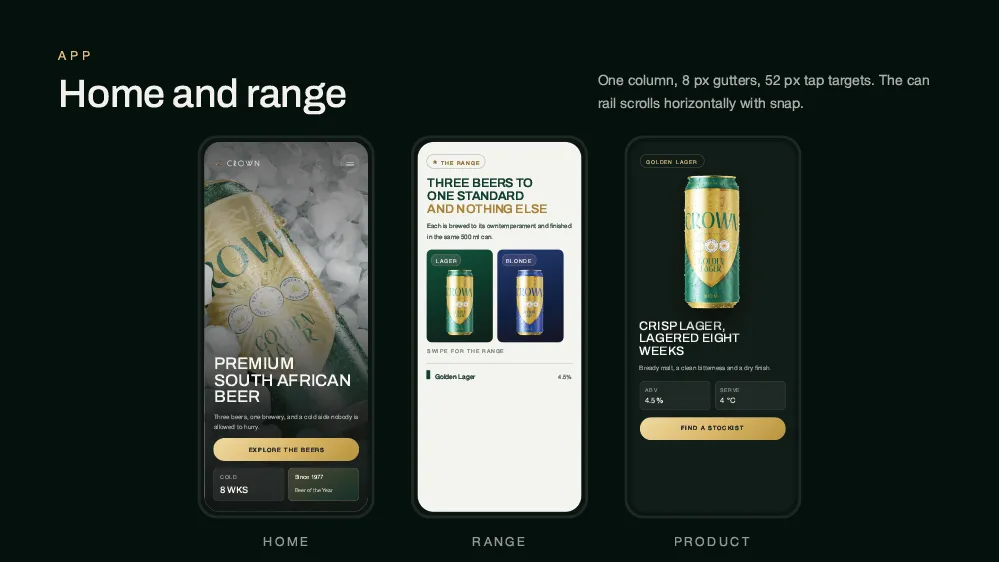
Web design trends 2026: built for everyone
6. Accessibility by default. Accessibility is now a baseline, not an extra. In practice, this means good color contrast, keyboard navigation, alt text and screen reader support. The WCAG guidelines are the standard to follow.
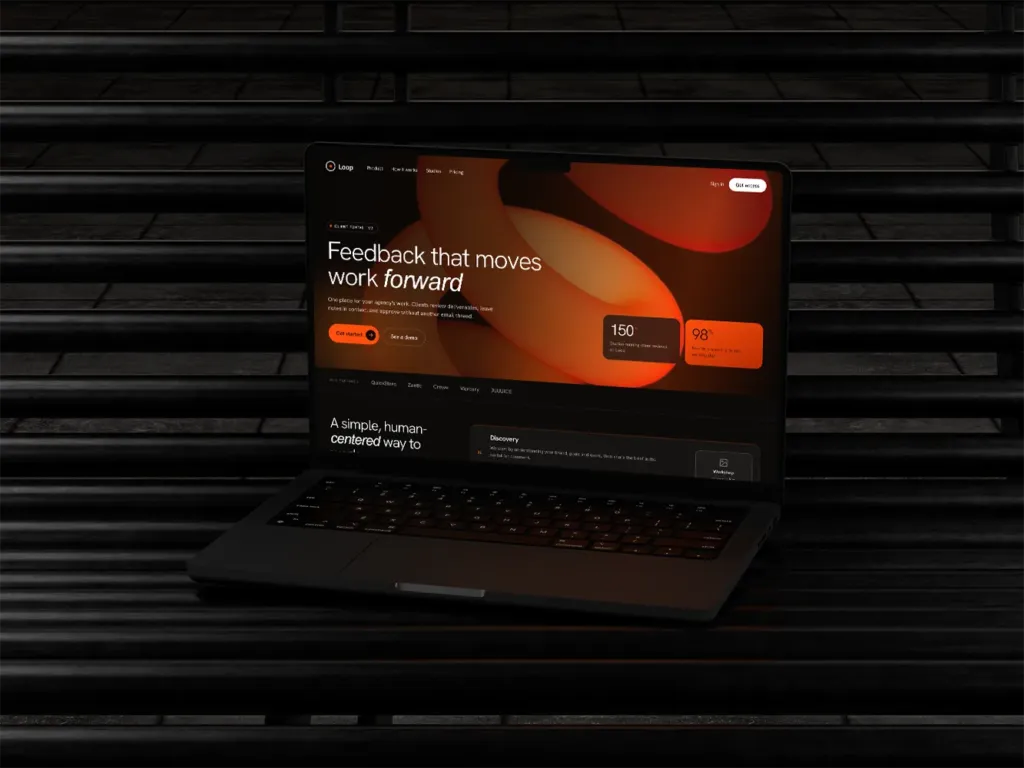
7. Dark mode support. Meanwhile, many people now set their phone to dark mode. Your site can follow that setting using the prefers-color-scheme feature. Either way, it should look polished in both light and dark.
8. Purposeful motion. Small animations guide attention and confirm actions. For instance, a button can change state when clicked. However, motion should help the visitor, not distract them.
Web design trends 2026: faster and greener
9. App-like websites. Progressive web apps blur the line between websites and apps. For example, they can work offline, send notifications and be added to a home screen. This is useful if your startup needs app features without building a full app.
10. Sustainable web design. Finally, lighter pages use less energy and load faster. So optimized images, clean code and green hosting all matter. Google also rewards speed through its Core Web Vitals.
Which trends should your startup adopt first?
You don’t need every trend at once. Start with the ones that affect results most:
- Speed and mobile-first web design
- Accessibility
- Clear, conversion-focused design
- Real, on-brand imagery
After that, add motion, dark mode and video when you have the budget. For more on putting users first, read our guide to UX design for startups.
Conclusion
Overall, web design trends 2026 reward purpose, honesty and speed. Don’t chase every new idea, but don’t ignore them either. Your site should feel current, work for everyone and reflect your brand. If you’d like help with your startup website, talk to Spaark.
Related reading
Next, keep reading with these related Spaark guides:
- Design systems for startups: keep your product consistent as you grow.
- Visual marketing strategy: design that sells across every channel.
- The real cost of DIY web design: the hidden price of building your own site.
Frequently asked questions
Do I need to redesign my site for these trends?
Not always. If your site already performs well, make targeted updates instead. Start with accessibility, mobile speed and clearer calls to action.
How often should a startup update its website design?
Every 18 to 24 months is a good rhythm for most startups. That said, you should fix speed and usability problems as soon as you find them.
Will these trends last?
Some will fade, but the basics won’t. Clarity, speed and usability always matter. So build on those first, then refresh the look over time.
1 Comment