A clear design brief is one of the most useful tools a startup founder can have. It tells a design agency what you need, why you need it and how you’ll judge success. Without one, projects drift, revisions pile up and deadlines slip.
This guide shows you how to brief a design agency in seven simple steps. It also gives you a template you can copy for your next project.
Why a good design brief matters
Your brief connects your vision to the agency’s work. A vague brief leads to vague results. In contrast, a clear brief helps the agency get it right sooner, so you spend less time and money on revisions.
Besides that, it also keeps everyone aligned. When questions come up mid-project, the brief is the answer both sides can point to.
How to write a design brief in 7 steps
Step 1: Define your business goal
Start with why. What problem should this design solve? Maybe you want more sign-ups, a stronger brand or a smoother user experience. For example, “design a logo” is very different from “design a logo that makes us look premium”. That extra context changes everything.
Step 2: Describe your audience
Next, explain who the design is for. Share who they are, what they care about and how they see your brand today. The agency will use this to guide every creative decision.
Step 3: Show examples you like and dislike
Don’t say “I’ll know it when I see it”. Instead, show it. Find three to five examples from competitors or other industries. Then explain what works for you in each one and what doesn’t.
Step 4: List your technical requirements
Then include any technical needs upfront. Do you need a responsive website, print-ready files or animation? Does the design need to work with an existing system? These details affect the timeline and cost, so share them early.
Step 5: Share your brand guidelines
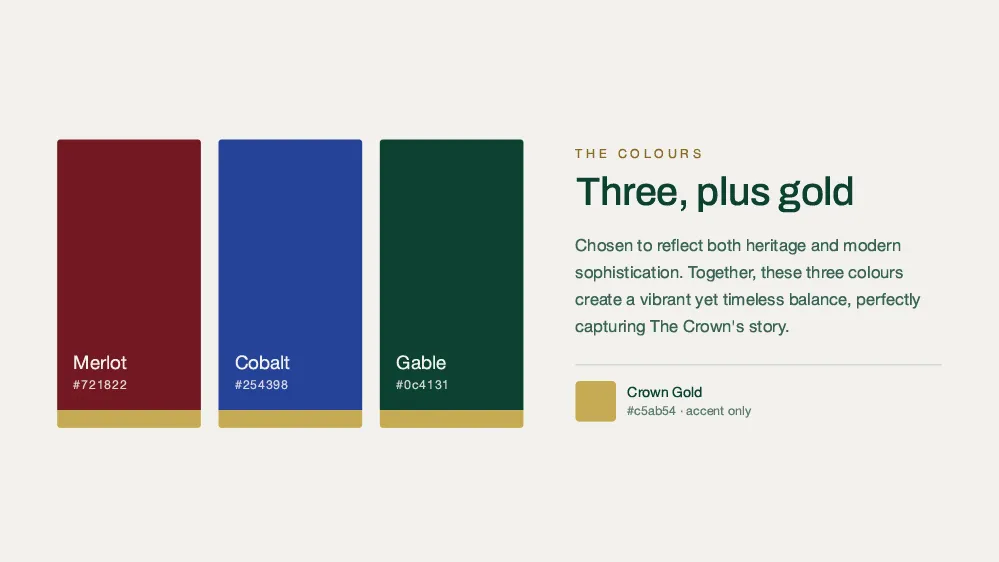
If you already have brand guidelines, colors or a logo, include them. If you don’t, say so. Either way, this stops the agency from creating something that clashes with what you already have.
Step 6: Be honest about timeline and budget
In fact, agencies would rather know your limits early. A realistic timeline and budget help them plan the right approach. As a result, you avoid rushed work and surprise costs later.
Step 7: Decide how you’ll measure success
Finally, define what “done” looks like. It might be more conversions, better engagement or stronger brand recall. When the agency knows the target, it can design to hit it.
Design brief template
Use this structure for your next design brief. Keep each section short and specific.
- Project overview: two or three sentences on the project and its goal.
- Background: useful context about your company and market.
- Target audience: who they are and what they want.
- Problem: the specific problem the design should solve.
- Success measures: how you’ll know it worked.
- Deliverables: what you need and in which formats.
- Technical needs: platforms, file types and integrations.
- Constraints: budget, timeline and brand rules.
- References: examples you like and why.
- Open questions: anything you need the agency to clarify.
How to work with the agency after the design brief
Your job isn’t done once you send the design brief. Reply to questions quickly and give specific feedback. For instance, “this feels too corporate for our young audience” is far more useful than “I don’t like it”. Many agencies follow a process like the Design Council’s Double Diamond, so expect to explore ideas before narrowing them down.
Conclusion: a good design brief pays off
A good design brief saves time, money and stress. In short, spend two or three hours writing it, and you could save many more in revisions. To learn more about working with designers, read why startups need professional branding or our guide to startup logo design. Ready to start a project? Send Spaark your brief.
Related reading
Next, keep reading with these related Spaark guides:
- How to build a startup brand identity: a step-by-step guide from strategy to rollout.
- The real cost of DIY web design: the hidden price of building your own site.
- Visual marketing strategy: design that sells across every channel.
Frequently asked questions
How long should a design brief be?
One to three pages is usually enough. It should be long enough to be clear, but short enough that people actually read it.
Should I include design ideas in my design brief?
Yes, but share them as inspiration, not instructions. That way, you give direction while leaving room for the agency’s expertise.
What if I don’t have a clear vision yet?
Say so. Many agencies run discovery workshops to shape the direction with you. Being honest works better than guessing.
How many revisions are usually included?
Most agencies include two or three rounds. Extra rounds usually cost more, so agree on the number before you start.