Good branding for startups is one of the smartest early investments a founder can make. New businesses launch every day, so standing out is harder than ever. Your brand is the first thing customers, investors and future hires see. As a result, it shapes how seriously they take you.
This guide explains why professional branding matters, what it includes and when to invest.
The real cost of poor branding for startups
Many founders treat branding as something to fix later. However, a rushed logo, mixed messages and inconsistent visuals hurt your credibility from day one. People judge quickly, and first impressions are hard to change.
Weak branding also creates hidden costs. For example, customers remember you for the wrong reasons, investors take you less seriously and good people are harder to hire. In short, you start the race with a handicap.
How professional branding builds trust
Startups don’t have years of reviews or reputation behind them. That is why a professional brand matters so much. A consistent logo, color palette, typography and tone of voice all signal that you are reliable.
When your brand looks professional, people are more likely to:
- buy from you the first time
- recommend you to others
- pay a fair price for your product
- stay loyal when competitors appear
Branding for startups in a crowded market
Today, it is easier than ever to launch a product. Consequently, many markets are full of similar offers. Your brand is often what sets you apart. It tells people not only what you do, but also why you do it differently.
Think of brands like Airbnb or Slack. Before they were household names, they were startups in crowded markets. Their branding gave them a clear position and helped attract early fans.
How branding helps you raise funding
Investors back founders who understand their market. A clear brand shows that you have thought about your position, your customers and your long-term value. On the other hand, a weak brand can suggest the opposite.
Many investors also check your website and pitch deck before a meeting. So professional branding makes a strong first impression before you say a word.
Branding for startups makes scaling easier
As you grow, you will hire people, enter new markets and launch new products. Brand guidelines keep everything consistent along the way. They help new team members understand your voice. They also help customers recognize you on every channel.
Without that foundation, growth gets messy. For instance, marketing costs rise, messages drift and new markets are harder to enter.
When should startups invest in branding?
The short answer is: as early as you can. You don’t need a huge budget, but it pays to invest before you launch publicly. Otherwise, you will spend time and money later rebuilding how people see you.
What professional branding includes
A complete brand usually covers five things:
- Strategy and positioning: who you serve and why you are different.
- Visual identity: logo, colors, typography and imagery.
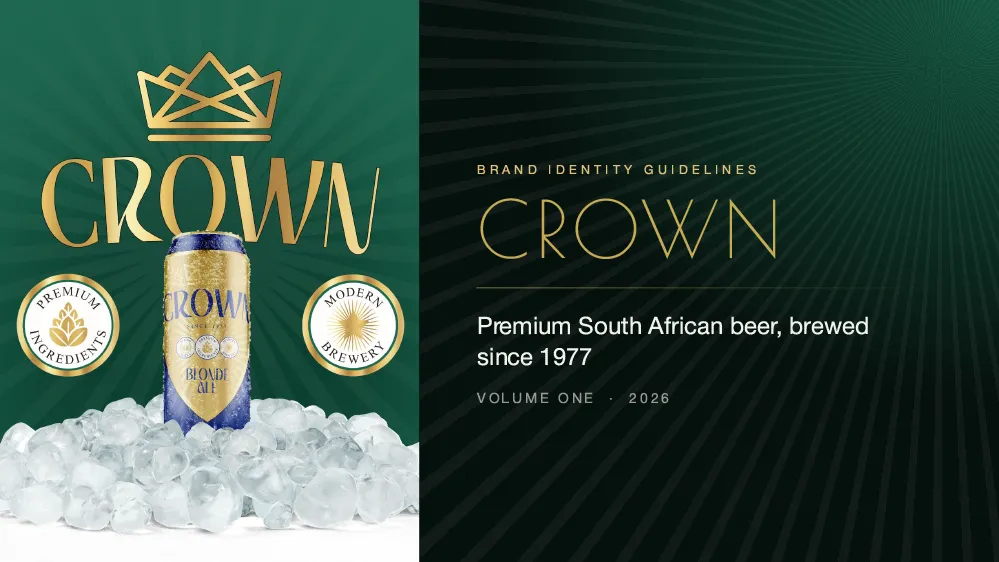
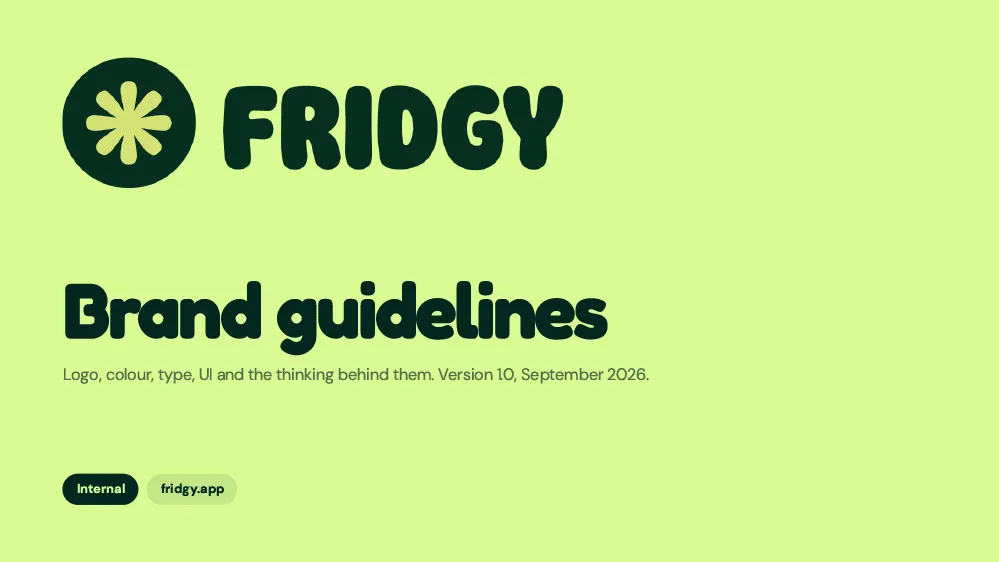
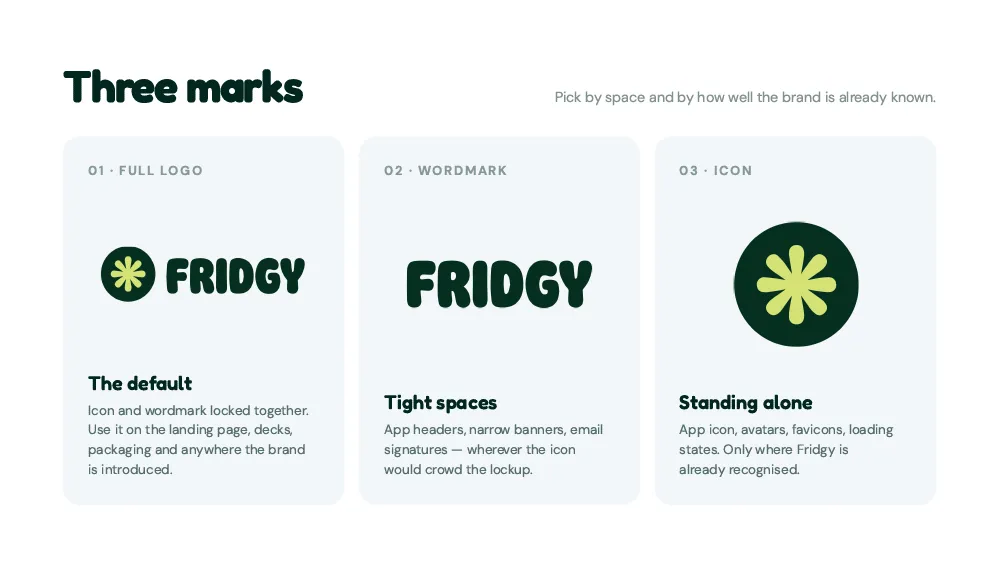
- Brand guidelines: the rules for using all of the above.
- Messaging: your tone of voice and key messages.
- Applications: your website, social media, pitch deck and packaging.
The return on branding for startups
Strong branding helps in several ways. First, people trust you more, so more of them buy. Second, loyal customers come back. Third, a clear brand lets you charge a fair price instead of competing on cost. For more background, HubSpot’s guide to branding is a useful read.
Conclusion
Professional branding isn’t vanity. Instead, it is strategy you can see. Startups that invest early tend to win trust faster, raise money more easily and attract better people. To go deeper, read our guides to building a startup brand identity, startup logo design and color psychology in branding. Ready to start? Talk to Spaark.
Related reading
Next, keep reading with these related Spaark guides:
- How to write a design brief: seven steps and a free template.
- Visual marketing strategy: design that sells across every channel.
- Taking your brand global: one brand, adapted for many markets.
Frequently asked questions
How much should a startup spend on branding?
It depends on the scope. A basic identity costs far less than a full brand strategy with guidelines. Start with the essentials, then grow your brand as your business grows.
Can startups do good branding on a small budget?
Yes. Focus on the core first: logo, colors, typography and simple guidelines. After that, spend on the places customers see most, such as your website.
What is the difference between branding and a logo?
A logo is one part of your brand. Branding covers your whole identity, including your positioning, voice, colors and guidelines.
How long does professional branding take?
A full brand identity usually takes six to twelve weeks. A logo on its own takes less time. So plan ahead if you have a launch or funding round coming up.
2 Comments